Are You Overpaying for PS5 Games? Sony's Dynamic Pricing Test Explained
The digital storefront has revolutionized how we purchase games, offering instant access to vast libraries from the comfort of our couches. But what if the price of that eagerly awaited PS5 title isn't the same for everyone? A recent revelation has sent ripples through the gaming community, suggesting that Sony PlayStation is actively testing a system of
dynamic game pricing. This isn't just a rumor; reports indicate that some players are seeing significantly different prices for identical games on the PlayStation Store, sparking both curiosity and concern. While the immediate reaction might be alarm, the reality of Sony's A/B testing program appears to be more nuanced than simple price gouging, focusing on understanding demand and offering varied discounts.
What Exactly is Sony Testing with Dynamic Game Pricing?
The core of the discussion revolves around an advanced A/B testing methodology that Sony PlayStation has reportedly been implementing on its digital storefront. This form of
dynamic game pricing means that prices for certain games are not fixed for all users, but rather fluctuate or differ based on a variety of factors, including potentially a user's randomly assigned test group.
The earliest signs of this practice emerged around November 2025 when a Reddit user observed a significant price discrepancy for *Red Dead Redemption 2* on the PlayStation Store – his wife was being charged considerably less for the same title. Initially dismissed by some as a glitch or isolated incident, subsequent reports have not only confirmed the existence of this dynamic pricing experiment but also detailed its expansion.
According to these studies, Sony's A/B testing began with approximately 50 games across 30 regions in November 2025. Over a period of just three months, this program scaled dramatically, encompassing over 150 games in 68 regions worldwide. Perhaps the most significant development is the inclusion of Sony's own prestigious AAA titles, such as *God of War* and *Spider-Man 2*, in the test pool. This indicates a serious commitment from Sony to gather comprehensive data on price elasticity.
What does this mean for players? In some documented cases, users in a test group have seen prices for games up to 17.6% lower than the standard retail price offered to others. It's vital to understand that this isn't about Sony raising prices for a segment of its users. Instead, it's a controlled experiment where a subset of randomly selected players are presented with *experimental discounted prices* to gauge their response and willingness to purchase at different price points. The aim is to study how changes in price affect demand, allowing Sony to potentially optimize sales strategies in the future.
The Psychology Behind Variable Pricing: Why the Outcry?
Even with the clarification that Sony's current test focuses on discounts rather than arbitrary price hikes, the very phrase "dynamic pricing" is often enough to "ruffle feathers" among consumers. This apprehension isn't unfounded; it stems from past controversies where variable pricing models have been perceived as unfair or exploitative.
Consider the infamous examples from the live event industry, particularly with concert tickets. Stories of fans watching ticket prices for their favorite bands, like Oasis, triple in a matter of minutes due to surging demand have left a sour taste. This leads to accusations of "profiteering" and a general sense of being manipulated. As *The Escapist* points out, the scenario is akin to *Grand Theft Auto VI* launching at $80, only for its price to jump to $200 within half an hour for latecomers. This kind of sudden, demand-driven price increase creates an immediate feeling of inequity and often fuels consumer outrage.
While Sony’s current test differentiates itself by offering *discounts* to a test group, the underlying mechanism of different people paying different amounts for the same product can still trigger these ingrained consumer anxieties. Players want transparency and fairness, and the idea that their neighbor might snag the same digital title for less, simply by being in a different randomized group, can feel like an affront. It introduces uncertainty into the purchasing process, forcing players to second-guess whether they're getting the best deal. For a deeper dive into how these varying costs are being observed, you can read more at
Sony PS5 Dynamic Pricing Confirmed: Players See Varied Costs.
The Potential Benefits for Sony (and Perhaps You)
From Sony's perspective,
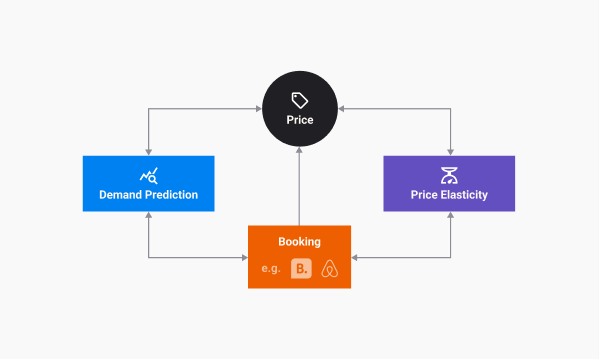
dynamic game pricing offers several compelling advantages, primarily centered around maximizing revenue and understanding consumer behavior. By implementing an A/B test, they can meticulously study the "price elasticity of demand" – how sensitive players are to price changes. This data can inform future sales strategies, allow for optimized pricing during different periods of a game's lifecycle, and potentially move more units by targeting specific demographics with tailored offers. For example, a slight discount might tip a hesitant buyer into making a purchase, increasing overall sales volume.
While the immediate player reaction might be apprehension, there could be long-term benefits for consumers if this system is implemented thoughtfully. Imagine a future where the PlayStation Store could offer more frequent and targeted discounts. If Sony learns that a slight price reduction significantly boosts sales for a specific type of game or during particular low-demand periods, it could lead to more opportunities for players to grab titles at reduced costs. This personalized approach could mean more "flash sales" or unique offers presented directly to you based on your gaming habits and preferences, enriching your game library without breaking the bank.
Navigating a Dynamically Priced PlayStation Store: Tips for Gamers
As Sony continues its exploration of
dynamic game pricing, understanding how to navigate the PlayStation Store smartly becomes even more crucial. Here are some practical tips for gamers:
*
Don't Panic, But Be Aware: Remember, Sony's current test is primarily focused on offering discounts to experimental groups, not raising prices on everyone else. The goal is to collect data, not necessarily to exploit consumers. However, being aware that prices might fluctuate for others (or for you in the future) is important.
*
Utilize Price Tracking Websites: Services like psprices.com (mentioned in the context) or similar regional price trackers can be invaluable. These sites monitor historical prices and current sales across various regions, helping you identify genuine deals and see if a game's price is historically low or high.
*
Wait for Sales: This is a timeless piece of advice, but it becomes even more relevant with dynamic pricing. Unless a game is an absolute must-have on day one, exercising patience often pays off. Major seasonal sales (Black Friday, Summer Sale, etc.) are still likely to offer the most significant discounts across the board.
*
Check Prices Across Devices/Accounts (If Applicable): If you have multiple PSN accounts or access to different regional stores (following Sony's terms of service), briefly checking prices across them might give you an indication if you're in a test group seeing a unique offer. However, direct comparison tools might become more prevalent if dynamic pricing becomes widespread.
*
Consider Physical Editions: While digital convenience is king for many, physical copies offer a fixed MSRP (at launch) and a different resale market. They are generally less susceptible to the immediate fluctuations of digital dynamic pricing.
*
Stay Informed: Keep an eye on gaming news outlets and community forums. Players often share their experiences, including price discrepancies, which can provide valuable insights into ongoing tests or potential changes. Understanding
PlayStation's Dynamic Pricing: What it Means for Your Game Library will help you adapt your purchasing habits.
The Future of Dynamic Game Pricing: Will it Stick?
The big question remains: Is this A/B testing program merely an internal experiment, or a prelude to a permanent shift in how Sony prices its digital games? As the reports indicate, it's currently unclear if this system will be rolled out in every territory or even if the program will be kept in its current form. The fact that some users are seeing significantly lower prices while others do not has already generated discussion and some concern within the player base.
Sony's decision will undoubtedly hinge on the data gathered during these tests. If the benefits of optimized pricing and increased sales outweigh the potential negative public relations stemming from consumer apprehension, we might see a more widespread adoption. However, a full rollout would likely necessitate greater transparency and clear communication from Sony to avoid alienating its loyal customer base. They might brand it as "personalized offers" or "smart discounts" to steer clear of the baggage associated with "dynamic pricing." Alternatively, if the negative sentiment proves too strong, or if the data doesn't support a significant enough advantage, Sony might refine its approach or even abandon the dynamic elements altogether in favor of more traditional sales models. The gaming industry is constantly evolving, and how Sony chooses to implement or walk back this test will be a critical indicator of future digital storefront strategies.
In conclusion, Sony's foray into
dynamic game pricing for PS5 titles is a fascinating, if somewhat controversial, development. While the specter of price gouging looms large in the public imagination, current evidence suggests Sony's tests are geared towards understanding market demand through targeted discounts rather than aggressive price increases. As gamers, staying informed, utilizing price tracking tools, and exercising patience will be our best strategies for navigating this evolving digital landscape. The outcome of Sony's experiment will not only shape the future of PlayStation Store pricing but could also influence how other digital platforms approach game sales in the years to come.